
Now Reading: The Politics of Power, Trust, and Technology
-
01
The Politics of Power, Trust, and Technology

The Politics of Power, Trust, and Technology

As the new year 2026 begins, the age-old debate over whether politics is inherently a “dirty game” has reached a fever pitch, fueled by the integration of agentic AI into the electoral process. The following debate examines the pragmatic realities versus the ethical costs of modern political maneuvering.
The Strategy of Necessary Pragmatism
In any high-stakes environment where power is contested, the “dirtiness” of the game is often just a label for the hard-nosed pragmatism required to govern effectively. Proponents argue that leaders must navigate a landscape of conflicting interests and legal pressures where idealism is often a liability that leads to gridlock. Success in this arena ensures that critical societal goals are met, even if the methods used to achieve them involve intense negotiation and strategic leverage.
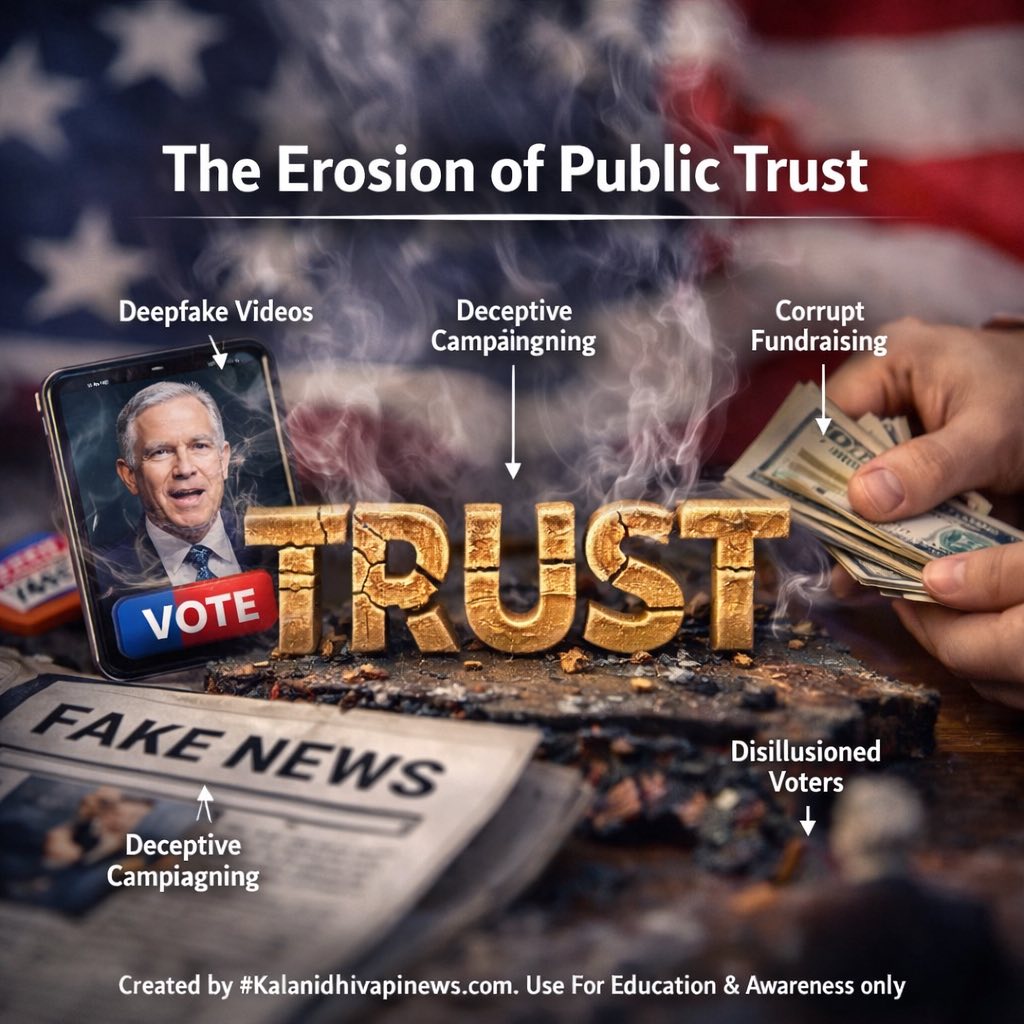
The Erosion of Public Trust
The counterpoint to strategic maneuvering is the profound damage it inflicts on the moral fabric of a nation. When deception and manipulation become the standard operating procedures for candidates, the primary casualty is the trust of the electorate. Critics contend that viewing politics as a game—rather than a sacred public service—trivializes the very real consequences that policy decisions have on human lives and leads to a cycle of perpetual disillusionment.
Technological Amplification of Conflict
The advent of AI-driven microtargeting and deep-sea sentiment analysis has accelerated the “dirty” nature of political cycles. While these tools allow for hyper-efficient voter engagement, they are also frequently used to exploit psychological vulnerabilities and spread tailored misinformation. This technological edge turns political discourse into a battlefield of algorithms where the loudest and most manipulative voices often drown out nuanced debate.
The Pursuit of Data-Driven Accountability
Conversely, the same AI technologies are being repurposed to “clean up” the political arena through radical transparency and consensus-building. Advanced agents now facilitate democratic deliberation by identifying common ground between opposing factions that human mediators might miss. By automating the classification of political advertisements and monitoring for regulatory compliance, these tools offer a path toward a more accountable and evidence-based political landscape.
The Reality of Modern Power Dynamics
Ultimately, the environment of power breeds a level of hostility and “derangement” between factions that makes consensus nearly impossible without strong, decisive leadership. Whether one views this as a dirty game or a necessary struggle, the reality remains that those who master the current landscape are the ones who define the future. The debate shifts from whether the game is dirty to whether the outcome justifies the means in an increasingly complex global society.
Pragmatism in politics reflects the practice of choosing workable solutions over ideal outcomes in complex power environments. It emphasizes results that maintain stability and governance even when moral compromises are involved. This approach often arises where conflicting interests prevent purely ethical choices. Pragmatism values effectiveness and continuity over symbolic perfection.
Glossary: Pragmatism – a results-oriented approach focused on practical outcomes rather than ideals.
created by @kalanidhivapinews.com for awareness only
⸻
Power defines who sets agendas, enforces decisions, and shapes collective outcomes in society. It operates through institutions, laws, and influence rather than force alone. Political power often attracts competition because it determines access to resources and legitimacy. Managing power responsibly is central to democratic stability.
Glossary: Power – the capacity to influence decisions, actions, or beliefs.
created by @kalanidhivapinews.com for awareness only
⸻
Trust is the foundation that connects citizens to institutions and leadership. When trust erodes, participation declines and skepticism replaces cooperation. Political systems depend on trust to function without constant coercion. Rebuilding trust requires transparency and accountability.
Glossary: Trust – public confidence in institutions and leaders.
created by @kalanidhivapinews.com for awareness only
⸻
Manipulation involves shaping perceptions through selective information or emotional triggers. In politics, it often replaces open debate with strategic influence. This practice weakens informed decision-making among citizens. Over time, manipulation damages democratic legitimacy.
Glossary: Manipulation – influencing behavior through deceptive or strategic means.
created by @kalanidhivapinews.com for awareness only
⸻
Ethics provide moral boundaries that guide political behavior. They define what societies consider acceptable or unacceptable conduct. When ethics are ignored, legitimacy erodes even if policies succeed. Ethical governance balances power with responsibility.
Glossary: Ethics – moral principles guiding conduct.
created by @kalanidhivapinews.com for awareness only
⸻
Accountability ensures that leaders answer for their decisions and actions. It connects authority with responsibility to the public. Without accountability, power becomes detached from public interest. Strong accountability strengthens democratic trust.
Glossary: Accountability – obligation to explain and justify actions.
created by @kalanidhivapinews.com for awareness only
⸻
Transparency allows citizens to see how decisions are made and resources used. It reduces suspicion and limits abuse of authority. Open processes encourage informed participation. Transparency is essential for restoring confidence.
Glossary: Transparency – openness in actions and decision-making.
created by @kalanidhivapinews.com for awareness only
⸻
Consensus seeks shared agreement across opposing interests. It reduces conflict by identifying common ground. Political consensus is difficult but stabilizing when achieved. It requires patience and mutual recognition.
Glossary: Consensus – general agreement among diverse groups.
created by @kalanidhivapinews.com for awareness only
⸻
Conflict emerges naturally where interests, values, or power collide. In politics, unmanaged conflict can paralyze governance. Structured debate channels conflict into productive outcomes. Persistent hostility undermines unity.
Glossary: Conflict – active disagreement between opposing forces.
created by @kalanidhivapinews.com for awareness only
⸻
Governance refers to how societies are directed and managed. It includes decision-making, enforcement, and oversight. Effective governance balances authority with public welfare. Poor governance fuels instability and distrust.
Glossary: Governance – processes of directing collective affairs.
created by @kalanidhivapinews.com for awareness only
⸻
Leadership shapes vision and direction during political uncertainty. Strong leadership can unite fragmented factions. However, unchecked leadership risks authoritarian tendencies. Ethical leadership aligns power with service.
Glossary: Leadership – ability to guide and influence others.
created by @kalanidhivapinews.com for awareness only
⸻
Ideology frames how political actors interpret reality and policy. It provides coherence but can also limit compromise. Rigid ideologies intensify polarization. Flexible thinking encourages cooperation.
Glossary: Ideology – a system of political beliefs.
created by @kalanidhivapinews.com for awareness only
⸻
Disillusionment arises when expectations clash with political reality. Citizens lose faith after repeated unmet promises. This condition weakens civic engagement. Addressing root causes is essential for renewal.
Glossary: Disillusionment – loss of idealism or trust.
created by @kalanidhivapinews.com for awareness only
⸻
Misinformation distorts public understanding of issues. It spreads confusion and deepens divisions. Political misinformation undermines rational debate. Corrective measures require vigilance and education.
Glossary: Misinformation – false or misleading information.
created by @kalanidhivapinews.com for awareness only
⸻
Legitimacy determines whether authority is accepted as rightful. It depends on fairness, lawfulness, and trust. Without legitimacy, enforcement becomes fragile. Democratic legitimacy requires consent.
Glossary: Legitimacy – recognized right to govern.
created by @kalanidhivapinews.com for awareness only
⸻
Deliberation emphasizes thoughtful discussion before decisions. It values reason over impulse. Political deliberation improves policy quality. It also fosters mutual respect.
Glossary: Deliberation – careful consideration and discussion.
created by @kalanidhivapinews.com for awareness only
⸻
Regulation sets boundaries on political conduct and communication. It aims to protect fairness and integrity. Effective regulation balances freedom with responsibility. Weak regulation invites abuse.
Glossary: Regulation – rules governing behavior.
created by @kalanidhivapinews.com for awareness only
⸻
Polarization divides society into rigid opposing camps. It reduces willingness to compromise. Extreme polarization disrupts governance. Healing requires dialogue and empathy.
Glossary: Polarization – sharp division of opinions.
created by @kalanidhivapinews.com for awareness only
⸻
Strategy involves long-term planning to achieve political goals. It weighs risks, timing, and resources. Strategic thinking shapes outcomes beyond immediate gains. Poor strategy leads to instability.
Glossary: Strategy – planned approach to achieve objectives.
created by @kalanidhivapinews.com for awareness only
⸻
Negotiation resolves competing interests through dialogue. It is essential in pluralistic systems. Effective negotiation requires compromise and leverage. Failed negotiation fuels conflict.
Glossary: Negotiation – discussion aimed at agreement.
created by @kalanidhivapinews.com for awareness only
⸻
Compliance ensures adherence to political and legal standards. It reinforces rule-based governance. Lack of compliance erodes institutional authority. Monitoring strengthens compliance.
Glossary: Compliance – conformity to rules or laws.
created by @kalanidhivapinews.com for awareness only
⸻
Influence shapes opinions without formal authority. It operates through persuasion and credibility. Political influence can mobilize or mislead. Responsible influence supports informed choice.
Glossary: Influence – capacity to affect attitudes or actions.
created by @kalanidhivapinews.com for awareness only
⸻
Stability reflects continuity in political systems. It allows societies to plan and develop. Instability disrupts trust and progress. Balanced governance promotes stability.
Glossary: Stability – condition of order and continuity.
created by @kalanidhivapinews.com for awareness only
⸻
Integrity aligns actions with declared values. It strengthens credibility and trust. Political integrity resists corrupt pressures. Its absence fuels cynicism.
Glossary: Integrity – adherence to moral principles.
created by @kalanidhivapinews.com for awareness only
⸻
Participation empowers citizens in political processes. It legitimizes outcomes through involvement. Low participation signals alienation. Inclusive systems encourage participation.
Glossary: Participation – involvement in decision-making.
created by @kalanidhivapinews.com for awareness only
⸻
Oversight monitors the exercise of power. It prevents abuse and ensures compliance. Independent oversight bodies strengthen democracy. Weak oversight enables misconduct.
Glossary: Oversight – supervision of authority.
created by @kalanidhivapinews.com for awareness only
⸻
Responsibility connects decision-makers to consequences. It requires foresight and accountability. Political responsibility prioritizes public welfare. Irresponsibility damages legitimacy.
Glossary: Responsibility – duty to act with accountability.
created by @kalanidhivapinews.com for awareness only
⸻
Equity ensures fairness across diverse social groups. It addresses imbalances in representation and access. Political equity strengthens cohesion. Ignoring equity deepens division.
Glossary: Equity – fairness and justice in treatment.
created by @kalanidhivapinews.com for awareness only
⸻
#Resilience
Resilience enables political systems to withstand shocks. It depends on trust, adaptability, and institutions. Resilient societies recover from conflict faster. Weak resilience leads to collapse.
Glossary: Resilience – capacity to recover from disruption.
created by @kalanidhivapinews.com for awareness only